

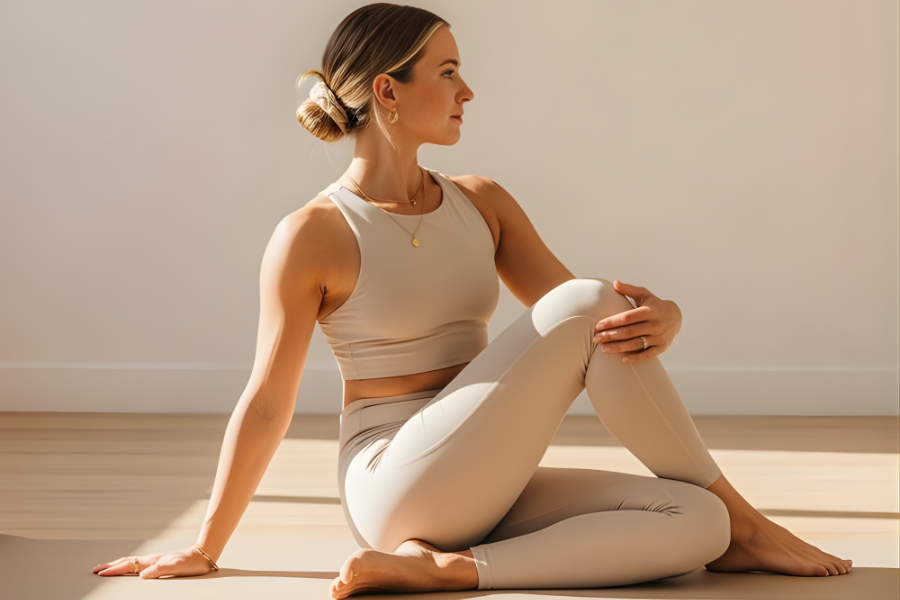
In today’s fast-paced lifestyle, our bodies often become stiff due to long hours of sitting, lack of movement, and daily stress. Gentle yoga flows for flexibility provide a safe and effective way to stretch the body, release tension, and improve mobility without intense workouts or complicated poses. These slow and mindful sequences focus on controlled breathing, smooth transitions, and comfortable stretches. Practicing gentle yoga flows for flexibility regularly helps loosen tight muscles, improve posture, and increase overall body awareness. Whether you are a beginner, a senior, or someone returning to exercise after a break, gentle yoga offers a supportive and calming way to improve flexibility while relaxing the mind. Why Flexibility Matters for Everyday Health Flexibility is not only important for athletes or yoga practitioners. It plays a vital role in everyday movement and overall physical health. When muscles and joints are flexible, the body moves more efficiently and comfortably. Improved flexibility helps reduce muscle stiffness, prevents injuries, and supports better posture. It also allows the body to move freely during daily activities such as bending, reaching, or walking. Gentle yoga is one of the most natural ways to develop flexibility while also improving balance and relaxation.Regular practice encourages the body to gradually open up, making movements smoother and more comfortable over time. Improves body mobility and movement Reduces muscle stiffness and tension Helps prevent injuries during daily activities Supports better posture and alignment Promotes relaxation and overall wellness Weekend Retreat Vibes, Online Escape the chaos and tune into yourself with calming guided sessions—any day can feel like a retreat. Flexibility plays an important role in maintaining a healthy and active body. When muscles and joints are flexible, everyday movements such as bending, reaching, walking, or sitting become easier and more comfortable. Gentle stretching helps improve body mobility, allowing the muscles to move smoothly without stiffness or discomfort. Regular flexibility exercises also help reduce muscle tension and support better posture. When the body becomes more flexible, it places less stress on the joints and muscles, which helps prevent injuries and strain during daily activities. Improved flexibility also contributes to better balance and stability, helping the body move with greater control and confidence. In addition to physical benefits, flexibility practices such as gentle yoga also support relaxation and mental well-being. Slow movements combined with mindful breathing help calm the mind, reduce stress, and create a deeper connection between the body and breath. Over time, consistent practice can lead to improved overall wellness and a more balanced lifestyle. Begin Your Flexibility Journey with Gentle Yoga Improving flexibility does not require intense workouts or complicated routines. With patience and regular practice, gentle yoga flows for flexibility can help your body become stronger, more flexible, and more relaxed. At Butter Breathe Yoga Studio, we believe that yoga should be accessible and supportive for everyone. Our classes focus on mindful movement, therapeutic guidance, and a welcoming community that encourages personal growth and well-being.Start your journey with gentle yoga today and experience the benefits of a body that moves freely and a mind that feels calm and balanced. If you want to deepen your practice, explore our Yoga Classes at Butter Breathe designed for beginners and experienced practitioners to improve flexibility, balance, and overall well-being.
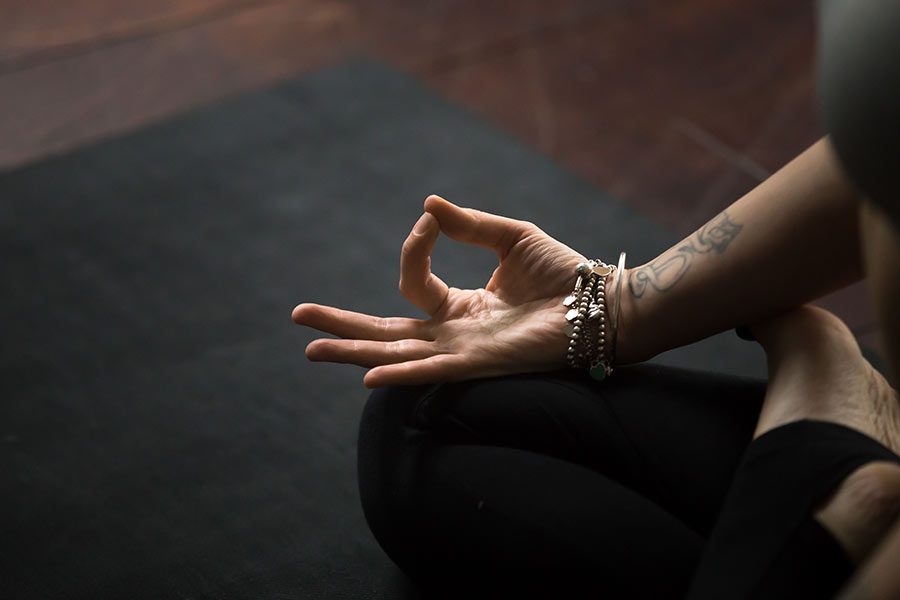
Best Stretches for Lower Back Pain | Butter Breathe Yoga
Lower back pain is one of the most common physical discomforts experienced by people today. Long hours of sitting, poor posture, lack of movement, and daily stress can put strain on the lower back muscles. Practicing the best stretches for lower back pain can help relieve tension, improve flexibility, and support a healthier spine. Gentle stretching and yoga movements help loosen tight muscles around the back, hips, and hamstrings. These areas are closely connected to the lower back, and when they become stiff, they often contribute to pain and discomfort. With consistent practice, the best stretches for lower back pain can improve mobility, reduce stiffness, and help the body move more comfortably in everyday life. How the Best Stretches for Lower Back Pain Improve Flexibility Stretching plays an important role in relieving back pain because it helps lengthen tight muscles and improve blood circulation. When muscles are tight, they pull on the spine and surrounding tissues, which can lead to discomfort and restricted movement. Regular stretching helps relax the muscles that support the spine. It also improves posture and strengthens the connection between the core and back muscles. Over time, stretching creates better balance in the body, allowing the lower back to move more freely and with less strain.Practicing gentle stretches also encourages relaxation and reduces stress, which can often contribute to muscle tension in the back. Relieves Muscle Tension: Gentle stretches help release tight muscles around the lower back and hips. Improves Flexibility : Regular stretching increases the flexibility of the spine and surrounding muscles. Supports Better Posture : Stretching helps correct posture and reduce pressure on the lower back. Reduces Risk of Injury : Flexible muscles support the spine and prevent sudden strain. Promotes Relaxation : Stretching combined with breathing calms the body and mind. Weekend Retreat Vibes, Online Escape the chaos and tune into yourself with calming guided sessions—any day can feel like a retreat. Best Stretches for Lower Back Pain Practicing gentle stretches can help relieve tension and improve flexibility in the lower back. Many people experience lower back discomfort due to long hours of sitting, poor posture, or lack of regular movement. Simple stretching exercises can help loosen tight muscles, improve circulation, and support better spinal alignment. These movements are easy to practice at home and are suitable for beginners as well as those looking for a gentle way to manage back discomfort. By including a few stretches in your daily routine, you can gradually reduce stiffness, improve mobility, and support the overall health of your lower back. Child’s Pose gently stretches the lower back, hips, and thighs while helping release tension in the spine and promoting relaxation. The Cat–Cow Stretch improves spinal flexibility by moving the back through gentle arching and rounding movements, helping reduce stiffness. The Knee-to-Chest Stretch relaxes the lower back muscles and helps relieve pressure on the spine. A Seated Forward Fold stretches the hamstrings and lower back, helping reduce tension and improve flexibility. The Supine Spinal Twist gently releases tension in the lower back while improving spinal mobility and relaxation. Together, these stretches provide a simple and effective routine for relieving lower back discomfort while supporting better posture and movement in everyday life. Supporting Your Back with Gentle Yoga Lower back pain can be uncomfortable, but simple daily stretches can make a significant difference. Practicing the best stretches for lower back pain helps release muscle tension, improve flexibility, and support a healthy spine. By combining gentle yoga movements with mindful breathing, you can create a daily routine that supports both physical comfort and mental relaxation. Over time, this consistent practice helps the body move with greater ease and balance.Start with a few simple stretches each day and allow your body the time it needs to heal, strengthen, and restore natural flexibility. If you want to deepen your practice, explore our Yoga Classes at Butter Breathe designed for beginners and experienced practitioners.
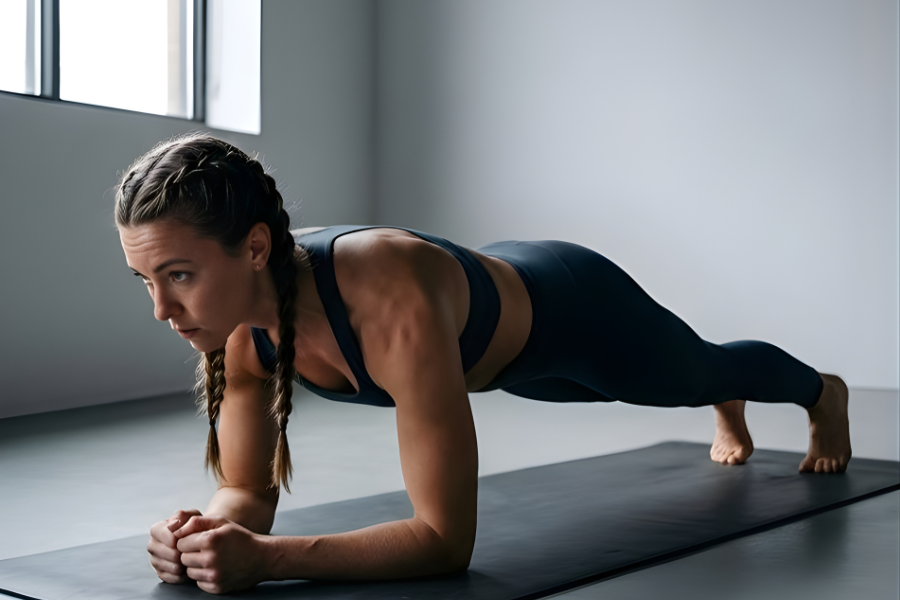
Morning Yoga to Start Your Day | Butter Breathe Yoga
Starting your morning with yoga is one of the best ways to prepare your body and mind for the day ahead. Practicing morning yoga to start your day helps awaken your muscles, improve circulation, and create a sense of calm before daily responsibilities begin. Instead of rushing into the day feeling stressed or tired, a few gentle yoga movements can help you feel energized, focused, and balanced. Morning yoga also supports both physical and mental wellbeing. It improves flexibility, reduces stiffness after sleep, and encourages mindful breathing. Even a short routine of 10–15 minutes can make a noticeable difference in how you feel throughout the day. With regular practice, morning yoga becomes a healthy habit that helps you maintain clarity, positivity, and inner balance. Benefits of Morning Yoga to Start Your Day Practicing morning yoga to start your day offers several important benefits for both the body and mind. Morning yoga also improves focus and mental clarity. Slow breathing and mindful movement calm the nervous system, reducing stress and anxiety. When the mind begins the day in a relaxed state, it becomes easier to concentrate and handle daily challenges with a positive mindset. Another benefit is improved flexibility and posture. After several hours of sleep, the body may feel stiff, especially in the back, neck, and shoulders. Simple yoga stretches loosen these areas, reduce tension, and prepare the body for movement throughout the day. Boosts natural energy and reduces morning fatigue Improves focus and mental clarity throughout the day Reduces stress and promotes emotional balance Enhances flexibility and loosens stiff muscles Helps build a healthy daily wellness routine Weekend Retreat Vibes, Online Escape the chaos and tune into yourself with calming guided sessions—any day can feel like a retreat. Simple Morning Yoga Poses to Start Your Day Starting your day with gentle movement can make a big difference in how you feel physically and mentally. Practicing simple morning yoga poses to start your day helps awaken the body, improve circulation, and bring calm awareness to your mind. Even a short yoga routine in the morning can boost energy and prepare you for a balanced and productive day. Simple morning yoga poses such as Child’s Pose, Cat–Cow Stretch, Downward Dog, and a gentle Forward Fold help stretch tight muscles and improve flexibility after sleep. These poses activate the spine, release stiffness in the back and shoulders, and encourage deep breathing. Practicing these movements slowly allows the body to wake up naturally while creating a sense of relaxation and focus. Making time for simple morning yoga poses to start your day can help build a healthier daily routine. With consistent practice, morning yoga improves flexibility, reduces stress, and creates a positive mindset for the day ahead. Just a few mindful minutes each morning can support both physical wellness and inner calm. Tips to Build a Morning Yoga Routine Creating a consistent morning yoga habit does not require a long practice. Starting with just 10–15 minutes each day is enough to experience the benefits. Choose a quiet and comfortable space where you can practice without distractions. Focus on slow breathing and gentle movements rather than intense stretches. Consistency is more important than duration, so practicing a little every morning is better than doing a long session occasionally. You can also combine yoga with simple breathing exercises or short meditation to enhance relaxation and mental clarity. If you want to deepen your practice, explore our Yoga Classes at Butter Breathe designed for beginners and experienced practitioners to improve flexibility, balance, and overall well-being.
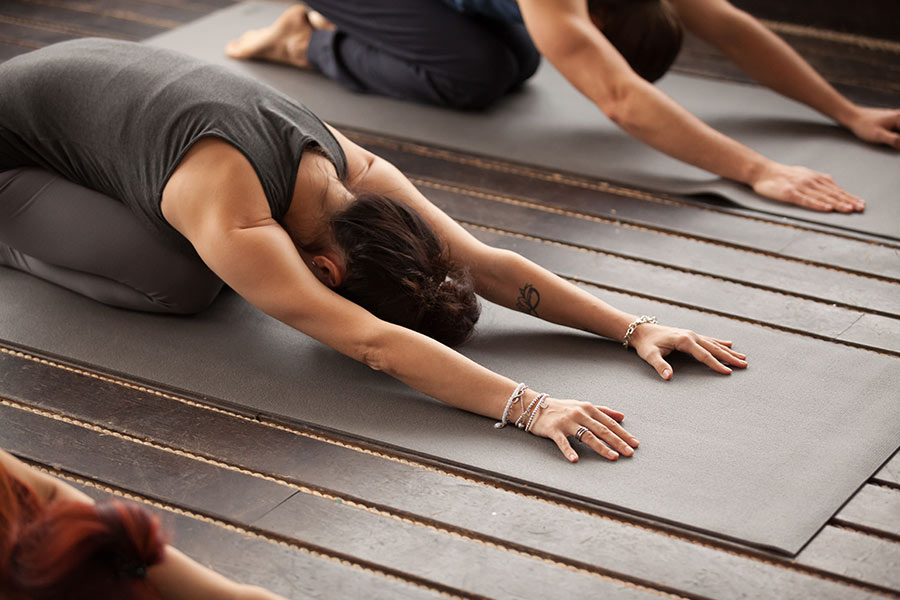
Breathwork Basics for Inner Peace | Butter Breathe Yoga
In today’s fast-paced world, many people struggle with stress, anxiety, and mental fatigue. One of the simplest and most effective ways to restore balance is through breathwork. Understanding the breathwork basics for inner peace can help calm the mind, relax the body, and create a deeper connection between breath and awareness. Breathwork is a mindful practice that focuses on controlling and observing the breath. When practiced regularly, these simple breathing techniques can reduce stress, improve concentration, and bring a sense of calm to daily life. Learning breathwork basics for inner peace allows individuals to slow down, release tension, and experience greater emotional balance. Benefits of Breathwork for Inner Peace Breathwork refers to a variety of breathing techniques used to improve mental, emotional, and physical well-being. These practices are often used in yoga and meditation to regulate breathing patterns and support relaxation.The way we breathe has a direct impact on the nervous system. Slow and deep breathing helps activate the body’s relaxation response, lowering stress levels and promoting a sense of calm. By becoming aware of the breath and learning to control it, we can create a peaceful and balanced state of mind. Reduces Stress and Anxiety : Slow breathing helps calm the nervous system and relax the mind. Improves Mental Clarity : Focused breathing increases concentration and awareness. Supports Emotional Balance : Breathwork helps regulate emotions and reduce tension. Enhances Relaxation : Deep breathing relaxes the body and improves sleep quality. Strengthens Mind-Body Connection : Breath awareness helps you stay present and mindful. Weekend Retreat Vibes, Online Escape the chaos and tune into yourself with calming guided sessions—any day can feel like a retreat. How Breathwork Creates Inner Peace Breathing is closely connected to the body’s nervous system and emotional state. When we feel stressed, anxious, or overwhelmed, our breathing often becomes fast and shallow. This type of breathing signals the body to remain in a state of tension. However, when breathing slows down and becomes deeper and more controlled, it sends calming signals to the brain and nervous system, allowing the body to relax naturally. Practicing breathwork basics for inner peace helps regulate this response by encouraging slow, steady breathing patterns. As the breath becomes more mindful and rhythmic, the mind begins to settle and release mental tension. This process helps reduce overthinking, calm emotional reactions, and create a sense of stability within the body and mind. Over time, regular breathwork practice can help improve emotional awareness and make it easier to manage stress in everyday situations. Breathwork also strengthens the connection between the mind and body. When attention is focused on breathing, it brings awareness to the present moment and encourages mindfulness. This practice helps individuals step away from distractions and reconnect with a state of calm and clarity. By regularly practicing simple breathing techniques, people can develop a deeper sense of balance, relaxation, and inner peace. Many people also combine breathwork with practices such as yoga or meditation to deepen its effects. When mindful breathing is paired with gentle movement or quiet meditation, it creates a powerful experience that supports both mental relaxation and physical well-being. Over time, this combination can help cultivate a lasting sense of calm and emotional harmony. Bringing Breathwork Into Daily Life Breathwork does not require special equipment or long practice sessions. You can practice breathing exercises in the morning, during work breaks, or before sleep. Over time, these simple breathing techniques can help you respond to stress more calmly and maintain a balanced state of mind throughout the day. At Butter Breathe, we believe that mindful breathing is a powerful tool for improving both physical and emotional well-being. By practicing breathwork basics for inner peace, you can cultivate a deeper sense of calm, clarity, and inner harmony. If you want to deepen your practice, explore our Yoga Classes at Butter Breathe designed for beginners and experienced practitioners.

Build a Consistent Yoga Practice | Butter Breathe Yoga
Building a consistent yoga practice is one of the most effective ways to experience the true benefits of yoga for both the body and mind. Many people start yoga with great enthusiasm but struggle to maintain regular practice due to busy schedules, lack of motivation, or unrealistic expectations. However, consistency does not mean practicing for long hours every day. Even a short and mindful practice done regularly can bring significant improvements in flexibility, strength, mental clarity, and emotional balance. The key to building a consistent yoga practice is creating a routine that fits naturally into your daily life. Instead of aiming for perfection, focus on progress and sustainability. Start with small and achievable goals, such as practicing yoga for 10–15 minutes a day. When yoga becomes part of your everyday routine—like brushing your teeth or having breakfast—it becomes easier to stay committed. Over time, these small daily efforts build a strong foundation for a long-term practice. Why a Consistent Yoga Practice Matters A consistent yoga practice helps the body and mind adapt gradually, allowing you to experience deeper physical and mental benefits over time. Practicing regularly improves flexibility, strength, posture, and overall well-being. More importantly, a daily yoga routine creates a sense of balance and calm in everyday life. Even a short practice each day can reduce stress, improve focus, and help you stay connected with your breath and body Begin with short sessions and gradually increase your practice time. Choose a quiet, comfortable area where you can practice regularly. Practicing the same sequence daily helps build a habit. Move gently and avoid pushing beyond your limits. Consistency grows over time, so focus on progress rather than perfection. Weekend Retreat Vibes, Online Escape the chaos and tune into yourself with calming guided sessions—any day can feel like a retreat. Simple Ways to Build a Consistent Yoga Practice One of the most effective ways to stay consistent is to set a fixed time for practice. Practicing yoga at the same time each day helps your body and mind develop a habit. Morning practice is often recommended because it helps energize the body and prepare the mind for the day ahead, but evening sessions can also be beneficial for relaxation and stress relief. Creating a comfortable and dedicated space for yoga can also improve consistency. You do not need a large room or special equipment. A quiet corner with a yoga mat and minimal distractions is enough to help you focus on your practice. Keeping your yoga space ready and inviting can motivate you to practice regularly. Another important factor is choosing simple and enjoyable routines. Beginners should focus on gentle stretches, breathing exercises, and basic poses rather than complex sequences. Short sessions of 10–20 minutes are often more sustainable than long sessions that feel overwhelming. Listening to your body and practicing at your own pace will help prevent burnout and keep your motivation strong. Tracking your progress can also encourage consistency. Keeping a small journal or noting how you feel after each practice can help you see the benefits over time. Many people notice improvements in posture, flexibility, sleep quality, and stress levels after practicing regularly for a few weeks. Create a Daily Yoga Habit That Fits Your Lifestyle Building a consistent yoga practice begins with creating a routine that fits naturally into your daily life. Instead of aiming for long or intense sessions, start with short and manageable practices that you can follow regularly. Choosing a specific time each day—such as early morning or evening—can help turn yoga into a healthy habit. Consistency is more important than perfection. Even practicing for 10–15 minutes daily can improve flexibility, strength, and mental calmness over time. By staying patient and committed, yoga gradually becomes a supportive routine that nurtures both your body and mind. If you want to deepen your practice, explore our Yoga Classes at Butter Breathe designed for beginners and experienced practitioners.
Simple Yoga Poses for Daily Calm | Butter Breathe Yog
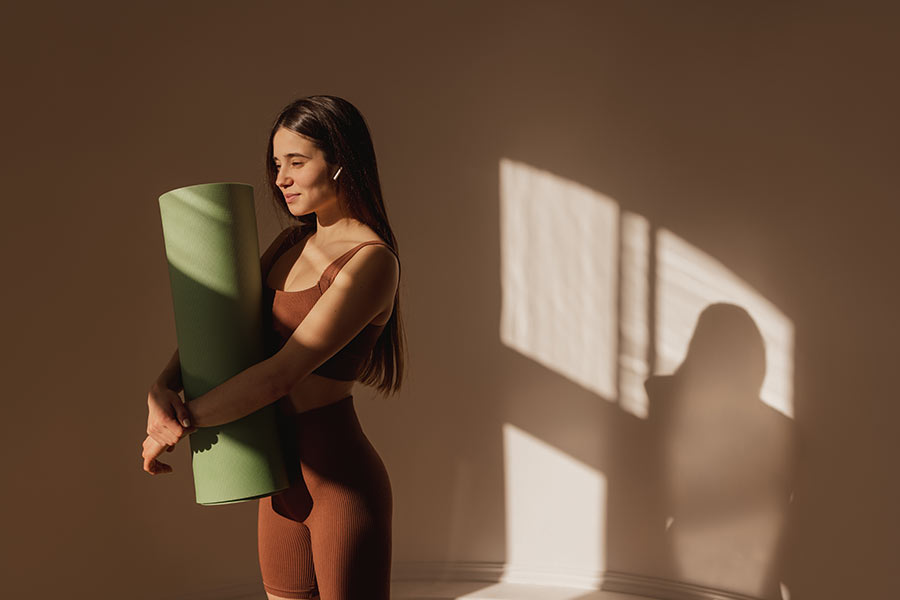
In today’s busy lifestyle, many people experience stress, mental fatigue, and physical tension. Practicing simple yoga poses for daily calm can help bring balance to both the mind and body. Gentle yoga movements combined with mindful breathing create a peaceful moment in the day, helping you relax and reconnect with yourself. Yoga is not only about flexibility or physical fitness. It is also a powerful practice that supports emotional well-being and mental clarity. By incorporating simple yoga poses for daily calm into your routine, you can reduce stress, improve focus, and create a sense of inner peace that carries through your daily activities. Why Simple Yoga Poses Help Create Daily Calm Yoga encourages slow and mindful movements that help the body release tension. When the body relaxes, the mind naturally becomes calmer and more focused. Regular yoga practice also improves breathing patterns, which helps reduce anxiety and emotional stress. Gentle yoga poses stimulate the nervous system in a way that promotes relaxation rather than tension. This helps the body shift from a state of stress to a state of calm and balance. Even practicing for a few minutes each day can make a noticeable difference in mood, energy levels, and overall well-being. Reduces Stress : Gentle movements and breathing help calm the nervous system. Improves Mental Clarity : Yoga helps clear the mind and improves concentration. Relieves Muscle Tension : Stretching helps release tightness in the body. Supports Better Breathing : Mindful breathing techniques improve oxygen flow. Promotes Emotional Balance : Regular practice helps create a peaceful and balanced mindset. Weekend Retreat Vibes, Online Escape the chaos and tune into yourself with calming guided sessions—any day can feel like a retreat. Best Simple Yoga Poses for Daily Calm and Relaxation In today’s fast-paced lifestyle, stress and mental fatigue have become common. Practicing simple yoga poses for daily calm can help relax the body, slow down the breath, and bring a sense of inner balance. These gentle poses are beginner-friendly and can be practiced at home without any special equipment. Even a short daily yoga routine can improve focus, reduce stress, and promote emotional well-being. Several simple yoga poses for daily calm help release physical tension and support relaxation. Child’s Pose gently stretches the back and hips while encouraging slow, deep breathing. Mountain Pose helps improve posture and body awareness by grounding the body and stabilizing the breath. The Cat–Cow Stretch increases spinal flexibility and releases tension in the shoulders and back through smooth, flowing movement. Seated Forward Bend stretches the spine and hamstrings while calming the nervous system. Finally, Legs Up the Wall Pose is a deeply restorative posture that improves circulation, reduces fatigue, and allows the body to fully relax. Adding these simple yoga poses for daily calm to your routine can create a powerful habit for maintaining physical and mental balance. Practicing these poses regularly helps reduce stress, improve flexibility, and support mindful breathing. With consistent practice, even a few minutes of gentle yoga each day can bring greater calm, relaxation, and overall well-being. Bringing Calm Into Everyday Life Through Yoga Practicing simple yoga poses for daily calm allows you to create a peaceful pause in the middle of a busy day. Even a few minutes of mindful movement and breathing can help release tension and restore balance. Yoga encourages a deeper connection between the mind and body. When practiced regularly, it helps develop patience, awareness, and emotional stability. These qualities support a more balanced and relaxed approach to everyday challenges. At Butter Breathe, we believe that yoga is not just a physical practice but a path toward greater calm and well-being. By including gentle yoga poses in your daily routine, you can cultivate relaxation, clarity, and a deeper sense of inner peace. If you want to deepen your practice, explore our Yoga Classes at Butter Breathe designed for beginners and experienced practitioners.