

In today’s fast-paced world, many people struggle with stress, anxiety, and mental fatigue. One of the simplest and most effective ways to restore balance is through breathwork. Understanding the breathwork basics for inner peace can help calm the mind, relax the body, and create a deeper connection between breath and awareness.
Breathwork is a mindful practice that focuses on controlling and observing the breath. When practiced regularly, these simple breathing techniques can reduce stress, improve concentration, and bring a sense of calm to daily life. Learning breathwork basics for inner peace allows individuals to slow down, release tension, and experience greater emotional balance.
Benefits of Breathwork for Inner Peace
Breathwork refers to a variety of breathing techniques used to improve mental, emotional, and physical well-being. These practices are often used in yoga and meditation to regulate breathing patterns and support relaxation.The way we breathe has a direct impact on the nervous system. Slow and deep breathing helps activate the body’s relaxation response, lowering stress levels and promoting a sense of calm. By becoming aware of the breath and learning to control it, we can create a peaceful and balanced state of mind.
- Reduces Stress and Anxiety : Slow breathing helps calm the nervous system and relax the mind.
- Improves Mental Clarity : Focused breathing increases concentration and awareness.
- Supports Emotional Balance : Breathwork helps regulate emotions and reduce tension.
- Enhances Relaxation : Deep breathing relaxes the body and improves sleep quality.
- Strengthens Mind-Body Connection : Breath awareness helps you stay present and mindful.
How Breathwork Creates Inner Peace
Breathing is closely connected to the body’s nervous system and emotional state. When we feel stressed, anxious, or overwhelmed, our breathing often becomes fast and shallow. This type of breathing signals the body to remain in a state of tension. However, when breathing slows down and becomes deeper and more controlled, it sends calming signals to the brain and nervous system, allowing the body to relax naturally.
Practicing breathwork basics for inner peace helps regulate this response by encouraging slow, steady breathing patterns. As the breath becomes more mindful and rhythmic, the mind begins to settle and release mental tension. This process helps reduce overthinking, calm emotional reactions, and create a sense of stability within the body and mind. Over time, regular breathwork practice can help improve emotional awareness and make it easier to manage stress in everyday situations.
Breathwork also strengthens the connection between the mind and body. When attention is focused on breathing, it brings awareness to the present moment and encourages mindfulness. This practice helps individuals step away from distractions and reconnect with a state of calm and clarity. By regularly practicing simple breathing techniques, people can develop a deeper sense of balance, relaxation, and inner peace.
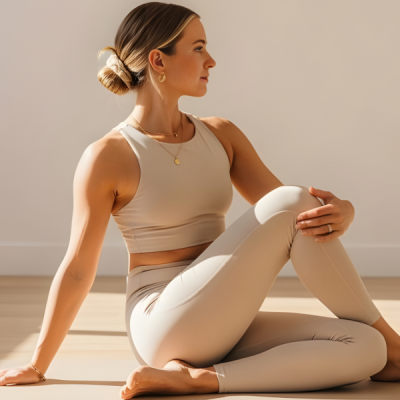
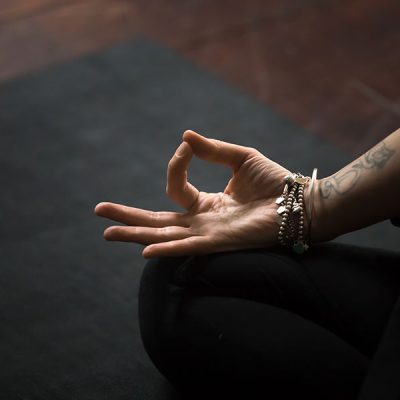
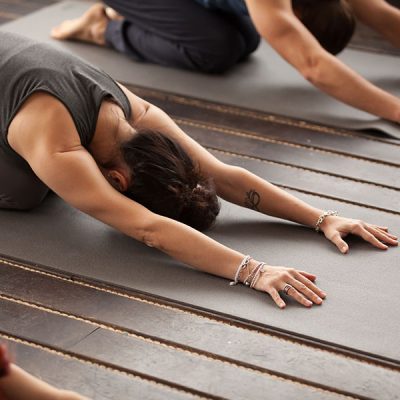
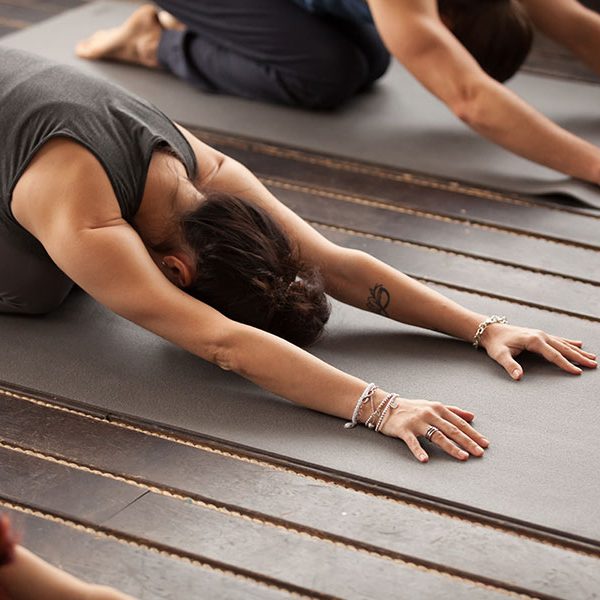
Many people also combine breathwork with practices such as yoga or meditation to deepen its effects. When mindful breathing is paired with gentle movement or quiet meditation, it creates a powerful experience that supports both mental relaxation and physical well-being. Over time, this combination can help cultivate a lasting sense of calm and emotional harmony.
Bringing Breathwork Into Daily Life
Breathwork does not require special equipment or long practice sessions. You can practice breathing exercises in the morning, during work breaks, or before sleep.
Over time, these simple breathing techniques can help you respond to stress more calmly and maintain a balanced state of mind throughout the day. At Butter Breathe, we believe that mindful breathing is a powerful tool for improving both physical and emotional well-being. By practicing breathwork basics for inner peace, you can cultivate a deeper sense of calm, clarity, and inner harmony.
If you want to deepen your practice, explore our Yoga Classes at Butter Breathe designed for beginners and experienced practitioners.